Adult Dog and Cat Care in Chillicothe, OH
Keeping your pets healthy and living longer, happier lives
As medical professionals we understand that maintaining the health and well-being of your pet while also reducing the overall cost of care, requires a focus on preventative care. This is why Animal Health Care Center of Chillicothe recommends routine health exams that include vaccinations and screenings for a number of common diseases. As medical professionals and pet owners ourselves, we truly understand how important animal companions are to each and every one of our clients. Your pet is a special, unique and important member of your family.
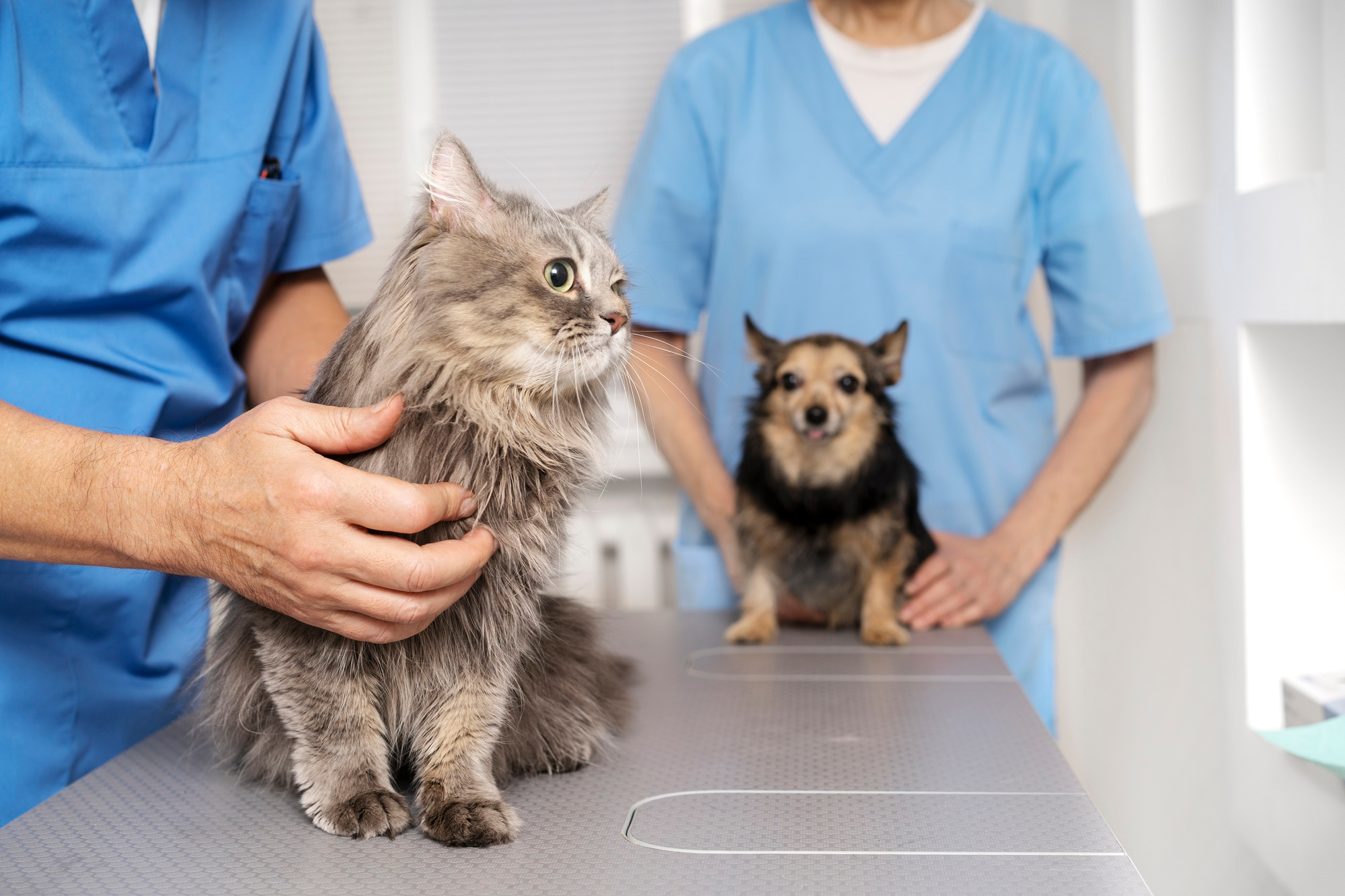
Preventative Care Recommended Yearly
- Nose-to-tail wellness checkups
- Proper dental care
- Appropriate vaccinations
- Proper screenings for a number of common diseases
- Microchip Identification Checked
Your Pet's Health Care Checkup Includes:
Routine Examination
Provides an opportunity to develop a picture of your pet’s overall health and to spot potential medical issues before they become serious health concerns.
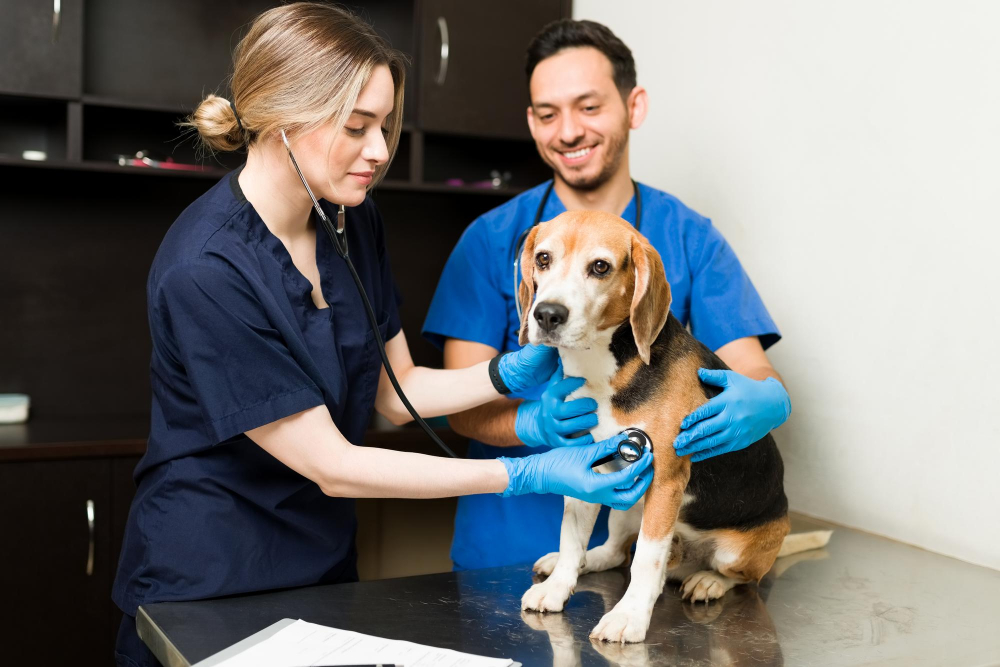
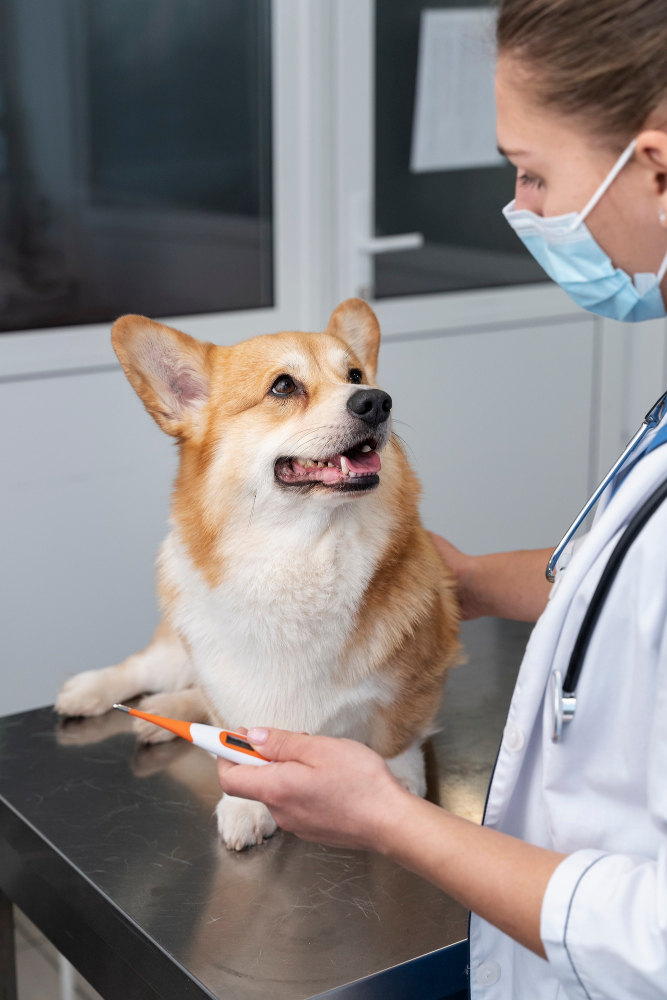
Listening to your pet’s heart
Early signs of cardiac disease such as heart murmurs and abnormal heart beat patterns known as arrhythmias can be heard through a stethoscope. Discovering these initial indicators of an underlying condition will lead to treatment before it becomes a more serious health threat.
Listening to your pet’s lungs
Health issues such as infections, obstructive diseases and other problems can be detected by listening to your pet’s lungs through a stethoscope. The doctor can also assess the overall pulmonary health of your pet.
Checking your pet’s teeth and oral cavity
Infections and other forms of dental disease can lead to very serious systemic health issues. We will also take the time to discuss proper home dental care with you.
Evaluating your pet’s vision
Ocular conditions—such as glaucoma, corneal ulcers and dry eye—can be prevented or better treated through regular care and screenings.
Looking into your pet’s ears
Ear disease is relatively common in many types of pets. Regular examinations can prevent most forms of ear disease from developing or stop its progression.
Palpating the lymph nodes, abdomen and skin
By feeling these areas, we are looking for unusual lumps or swellings as well as evaluating the skin for discolorations, lesions or patterns of hair loss or thinning, which could be signs of serious health issues.
Lab work
A complete physical includes a heartworm test and should include a full blood workup. A full chemistry panel and complete blood count can screen for the presence of underlying disease processes and create a baseline should your pet become ill between routine examinations.
Parasite Testing
Checking your pet for intestinal parasites is an important component of any preventative care plan for your pet and your family. For example, parasites such as hookworms are considered zoonotic, which means they can affect you and your children.
Vaccines: Safe and Effective
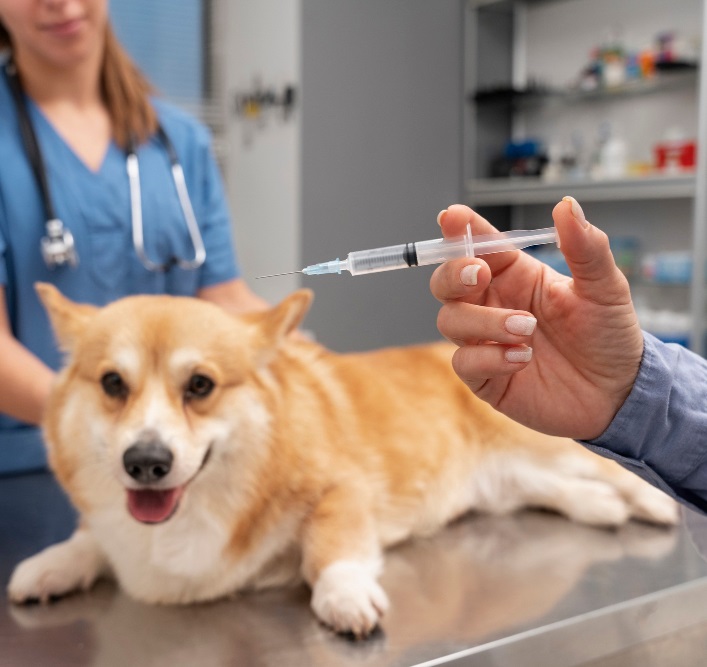
Vaccinations are not only safe and effective, they are an important and fundamental piece of your pet’s preventative healthcare plan.
Animal Health Care Center of Chillicothe’s vaccination protocol follows American Veterinary Medical Association guidelines and is carefully tailored to the lifestyle and particular health needs of your pet.
Our veterinarians truly believe that our carefully balanced approach is the best means to prevent infectious disease and the possibility of your pet having an adverse reaction to a vaccine.
Schedule Your Pet’s Next Wellness Exam
Keep your pet’s health on track with regular visits.
Call (740) 772-2226 or book an appointment online
Puppy & Kitten Care
Bring your puppy or kitten to us and receive:
- First physical exam FREE!
- FREE puppy or kitten kit!
- A series of booster shot appointments needed over the first 16 weeks of your puppy’s or kitten’s life. Puppies require four appointments, starting at 6 weeks of age. Kittens require three appointments, starting at 8 weeks of age. These scheduled visits are essential to provide complete protection for your pet. Each appointment includes a wellness screening and age-appropriate vaccinations. Ask us about spaying and neutering options as well.
Having a puppy or kitten is a lot of fun and can be a real source of joy. Fortunately, they don’t need very much, just good food, shelter, love, discipline, and some basic health care needs.
You are in charge of the food, shelter, love, and discipline. We will take care of the health needs. Most of the time, we will need to see a puppy four times the first year and a kitten three times. During those visits, we will evaluate your pet’s health, growth, and development. We will administer the vaccines he or she so vitally needs and we will talk about various health topics as we go.

Animal Health Care Center of Chillicothe’s Special Puppy/Kitten Program Includes
Complete physical exams designed to bring out the fur’s natural color
Vaccinations
Fecal parasite testing
Deworming
Dental Checkup – Kittens and puppies also need to be checked to ensure they are developing an appropriate bite and that they are losing their baby teeth at the right time. We also take the time to discuss proper home dental care with you.
Microchip – A microchip can be placed at the time of a spay or neuter for convenience or as an alone procedure. It can be life saving if your pet were to be lost or stolen.
Behavior counseling – crate training, biting, chewing, etc.
Free Consultation for Puppy and Dog Owners – During these consultations, we will discuss puppy vaccinations and vaccination boosters, natural diets for growing and adult dogs, raw foods versus home-cooked versus commercial pet foods, exercise and weight management, proper collars and leads, health benefits of early spaying and neutering, flea and tick prevention, avoiding household toxins, breed-specific medical conditions, how to prevent dental disease and more..
Schedule Your Puppy or Kitten’s First Visit
Start your furry friend on the path to a lifetime of health and happiness.
Call (740) 772-2226 or book an appointment online
Senior Pet Care
Older pets have special health care needs and may require more attention and care than younger pets. As your pet ages, changes occur in his physical condition that warrants more frequent visits to the veterinarian.
Early Detection – easier on pet and less costly If medical problems are recognized and treated when they are first detected, the treatment may be easier for your pet and less costly for you.
Twice-a-Year Wellness Examinations – Two appointments per year are recommended for older dogs and cats to potentially diagnose medical problems in the early stages.
A geriatric exam is more extensive than a simple check-up and includes:
- A complete physical exam
- Oral and rectal examinations
- Recording of body weight and body condition
- Examination of ears, eyes, and various internal organs
- Some laboratory work may be done including a complete blood count, urinalysis, fecal exam, and perhaps endocrine blood tests
- Other complimentary examinations
Establishing a base line is an added benefit and can ultimately help your pet should there be any changes, even small ones, to your pet’s health.
Aging process varies between dogs, cats and even specific breeds and individual animals:
- As a general rule, owners should start to consider their cat a senior around 8-10 years and 6-8 years for dogs.
- As dogs and cats grow older, their organs may become less efficient and they may be less able to resist infections and other diseases.
- As a responsible pet owner, you want your pet to remain healthy and active for as long as possible so it is important to be aware of any condition that may warrant your veterinarian’s attention.
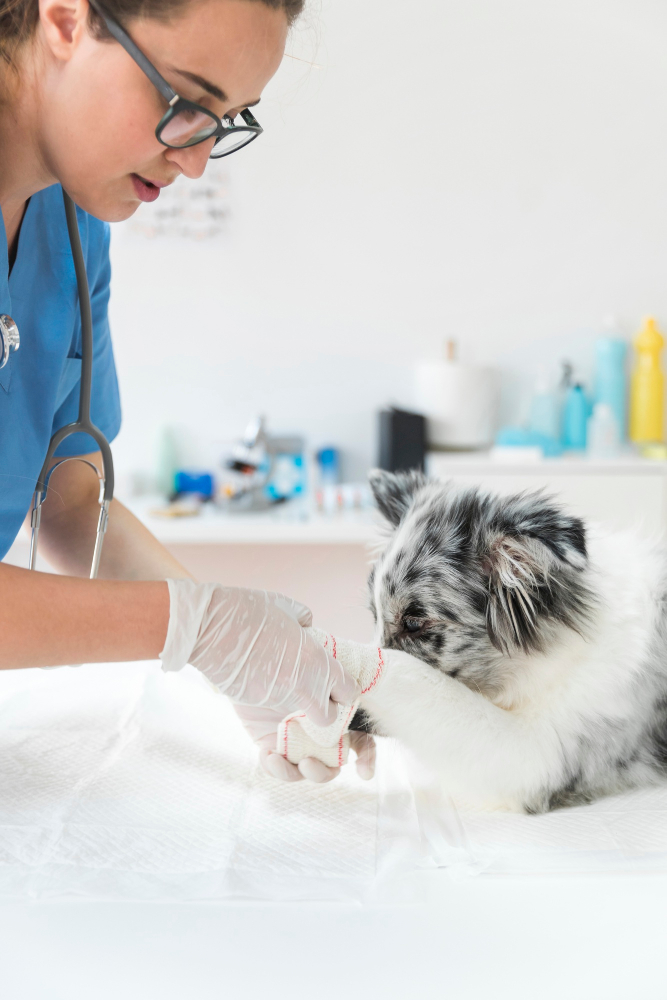
Signs of Aging in Dogs
- Your dog’s coat and the area around his muzzle begin to turn gray. Because your pet is getting older, it is important to know that skin problems may occur more often since the skin may be thinner, less elastic, and does not repair itself as quickly.
- Your senior dog begins to slow down, has less energy and has trouble getting up or limping.
- Longer and more frequent naps are common side effects of aging.
- A change in habits, including play preferences and eating or drinking habits is commonly observed in older dogs.
- Weight changes are common in older dogs. Some dogs gain weight as they age while others lose weight.
- Dental problems that translate as bad breath are more likely to appear in older pets.
- Hearing, vision and other senses become less acute when dogs get older.
Signs of Aging in Cats
- As old cats are often less active, their muscle tone tends to reduce which may further reduce their ability to run, jump and climb. Lack of exercise contributes to the stiffening of joints.
- Frequently older cats suffer from a poor appetite as the senses of taste and smell often deteriorate with age. Teeth problems are common and can discourage eating.
- Bowel function may deteriorate with age, causing problems such as reduced ability to absorb food nutrients. This can lead to weight loss. Some elderly cats suffer from constipation.
- Elderly cats have decreased thirst and they are at risk of becoming dehydrated. This is particularly dangerous in cats with kidney problems.
- Older cats tend to sleep less heavily but more frequently.
- Elderly cats often have poor coats that may make them less resistant to the cold and wet.
General Tips for Your Aging Pet
There are several reasons why a special diet may be needed for an elderly pet. He or she may be less active than a younger animal, and therefore may require fewer calories. The digestive organs may become less efficient in digestion and absorption, and a highly digestible diet may be more appropriate. Phosphorus and protein content may need to be decreased if your pet has kidney problems. Under certain circumstances the vitamin and mineral needs of elderly pets may be different from those of younger animals. Some of the special senior diets have mineral and vitamin content carefully adjusted to help provide the appropriate balance for elderly pets that have failing kidney or heart function.
As your pet gets older, joint pain and stiffness may develop. This may mean that your pet becomes less active and his energy level may decrease. He may become tired more easily and want to nap more often. Dogs with arthritis should still be exercised; however, they may need a diet containing fewer calories to prevent them from putting on weight.
Hearing, sight, and smell can all become less acute with age and you may need to make allowances for these changes. Watch for signs of impaired sight such as bumping into furniture or loss of hearing if your pet stops reacting to its name or command. Eye infections, cataracts, decreased night vision, or even blindness is common, however, these can also be symptoms of a larger problem. Your veterinarian can help you distinguish between the normal aging process and an acute problem.
Older pets are more likely to develop tooth and gum conditions. If your pet has sore gums or loose teeth, he or she may be reluctant to eat. Gum disease not only leads to loss of teeth, but can also cause heart and kidney infections if bacteria enter the bloodstream through the inflamed gums. Examine your pet’s mouth regularly and ask your veterinarian for advice if the teeth or gums do not look healthy.
Often associated with hormonal imbalance in spayed females or a disorder of the nervous system that controls bladder function, urinary incontinence or inappropriate urination is common in an aging pet. Inappropriate urination may also be the result of a urinary tract disorder, prostate problem or symptomatic of a larger problem. Consult your veterinarian if your pet suddenly becomes incontinent or begins to urinate more frequently.
As your pet ages, his behavior may change significantly. You might interpret this as simple aging, but it actually might be due to a treatable geriatric disease, such as cognitive dysfunction. Some typical signs include confusion, disorientation, decreased activity, changes in the sleep/wake cycle, loss of house training, or signs which suggest a decrease in your dog’s interest in, or ability to interact with his environment or with you.
Excessive thirst and frequent or uncontrolled urination are often signs of kidney problems or diabetes. Since the kidneys process and eliminate body waste products into the urine, it is important that these organs remain healthy. If your pet’s kidneys are not functioning properly, your veterinarian may recommend a diet specially designed for kidney problems.
Even if your pet seems perfectly healthy, regular geriatric check-ups are important to manage many of the changes associated with aging. Dogs and cats over seven years of age should be examined by a veterinarian twice a year. Pets can be the most rewarding when they reach middle or old age; they know you, have a special routine, and have spent years as your companion. Maintaining the health of your aging pet is a part of your mutually beneficial relationship and can provide both of you with many more years of love and companionship.
Give Your Pet the Care They Deserve
We’re here to help your pets live longer, healthier, and happier lives.
Call us today at (740) 772-2226 to schedule your appointment!